
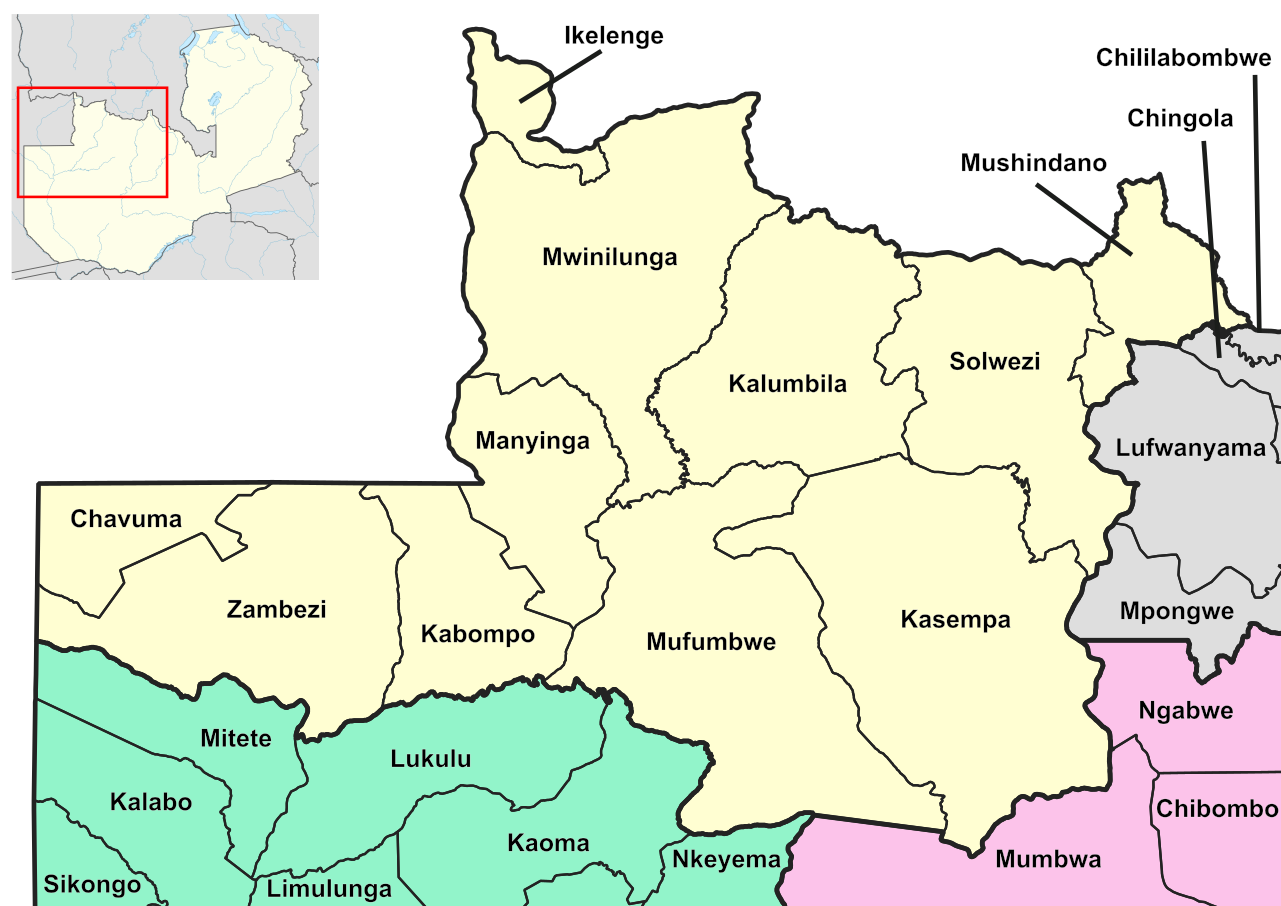
The European Union has observed rapid population growth and increased economic activity in Zambia’s North-Western Region, developments that are placing growing pressure on essential social services such as water, energy, health, and education.
European Union Head of Cooperation to Zambia and the Common Market for Eastern and Southern Africa (COMESA), Claudio Bacigalupi, said the region—comprising two provinces—has emerged as a major economic growth zone, largely driven by mining and related investments.
Mr. Bacigalupi explained that the economic expansion has attracted a growing population, which in turn is creating urgent demand for public infrastructure and service delivery.
He said that in response to these emerging pressures, the European Union is working closely with the Zambian Government under the Lobito Corridor Development Programme, an initiative aimed at enhancing regional connectivity, trade, and inclusive development.
Mr. Bacigalupi noted that EU support goes beyond infrastructure development and places strong emphasis on long-term planning to ensure that economic growth in the region is sustainable and delivers tangible benefits to local communities.
He added that EU-backed interventions are designed to strengthen service delivery systems, expand access to energy, improve water and sanitation, and enhance social services in rapidly growing communities along the corridor.
The Lobito Corridor links Zambia to regional and international markets through Angola and the Democratic Republic of Congo, and is expected to play a key role in boosting trade, investment, and regional integration.
Mr. Bacigalupi emphasised that the European Union remains committed to partnering with Zambia to ensure that economic growth in the North-Western Region translates into improved livelihoods and sustainable development for its people.
