
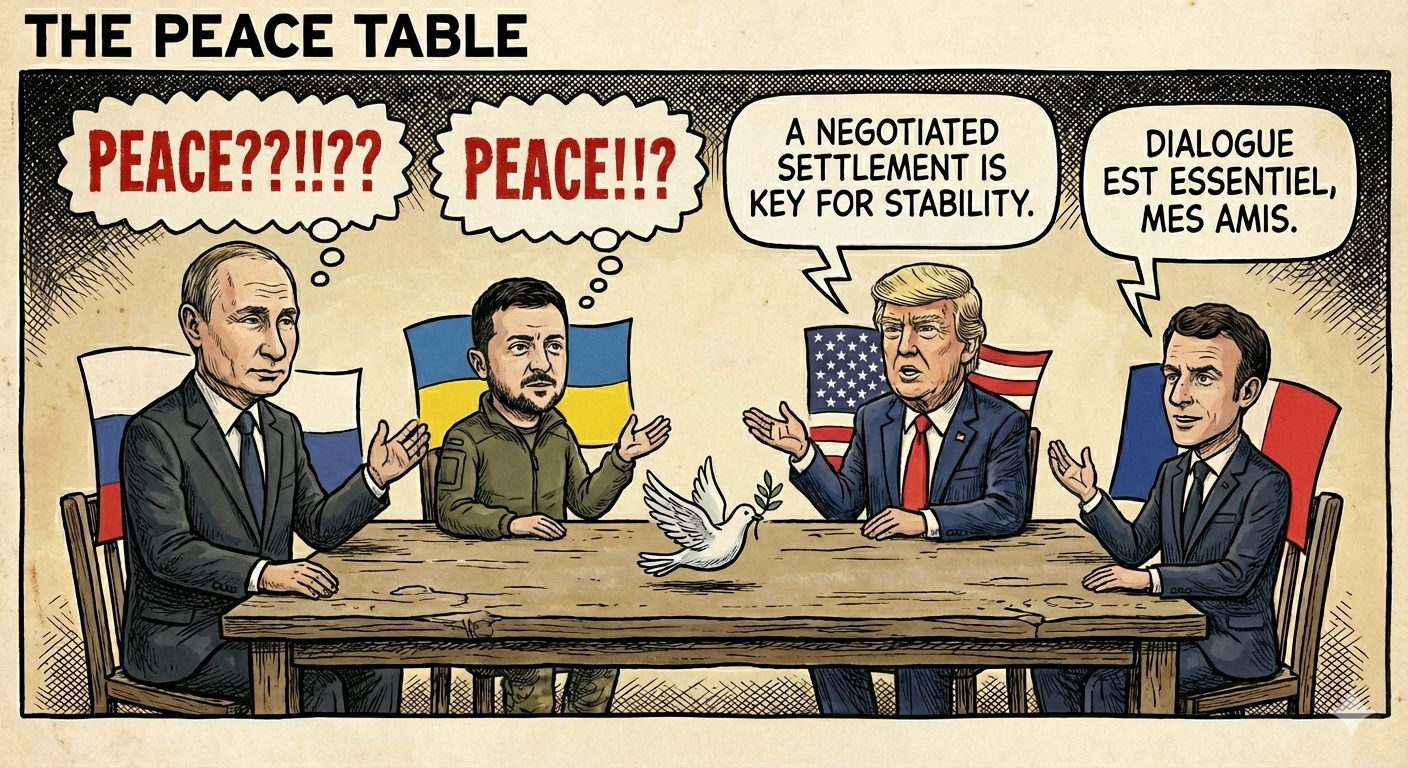
Recent diplomatic activity surrounding the Russia-Ukraine conflict has injected a measure of cautious optimism into the process, with high-level talks involving key international players proceeding in parallel with ongoing military operations. The developments point to a potential, albeit long and difficult, pathway toward de-escalation, even as fundamental disagreements over terms for a lasting peace remain.
The most public display of renewed engagement came from the United States and Russia. Meetings between US officials and a special Russian presidential envoy, Kirill Dmitriev, in Miami were described as “constructive” by the Russian side. While one American official cautioned that “there is still a way to go,” the discussions, which follow earlier meetings in Berlin involving Ukrainian officials, represent a sustained effort to find common ground on ending the war. These exchanges underscore the critical role of external mediation and communication channels in maintaining a dialogue between the principal adversaries.
In Europe, a separate, significant bilateral channel has been reaffirmed. Russian President Vladimir Putin’s spokesman stated that the President is “ready to talk” with French President Emmanuel Macron over the war in Ukraine. This comes after both Moscow and Paris expressed a willingness to resume high-level discussions, signalling the potential for European powers to play a direct mediating role in future negotiations. Such discussions would be a critical test of whether direct communication can bridge the substantial strategic and territorial divides that have stalled previous peace efforts.
These tentative diplomatic movements occur against a backdrop of continued financial and military support for Kyiv. Last week, European Union leaders finalized a critical financial package, agreeing on a €90 billion loan to support Ukraine’s urgent financial needs over the next two years. This major commitment, reached after protracted negotiations, demonstrates the EU’s resolve to ensure Ukraine’s financial stability as the conflict continues and peace prospects remain uncertain. Ultimately, the recent diplomatic progress highlights a complex dynamic. While the designation of talks as “constructive” suggests a willingness to engage, the parties remain divided over core issues. The renewed willingness of Moscow and Paris to talk, alongside the major financial support package from the EU, collectively defines the current state of the conflict: a landscape where significant geopolitical and financial commitments are sustained alongside the slow, painstaking work of diplomacy.
Sources: France 24 | RT | Al Jazeera | ABC News | New York Post
